
Picking a WordPress development company is one of those decisions that looks simple until you’re three months into a project with a half-built site and a developer who’s stopped answering emails. The right partner affects your site speed, your search visibility, and how easily you can update content five years from now without calling anyone for help.
Most business owners start by comparing price quotes. That’s the wrong first filter. A cheap build with no documentation, no CMS training, and a theme stitched together from plugins will cost more in the long run than a properly scoped project. The better approach is to evaluate capability first, then negotiate on price once you know who can actually do the work.
What Does a Reliable WordPress Development Company Actually Deliver?
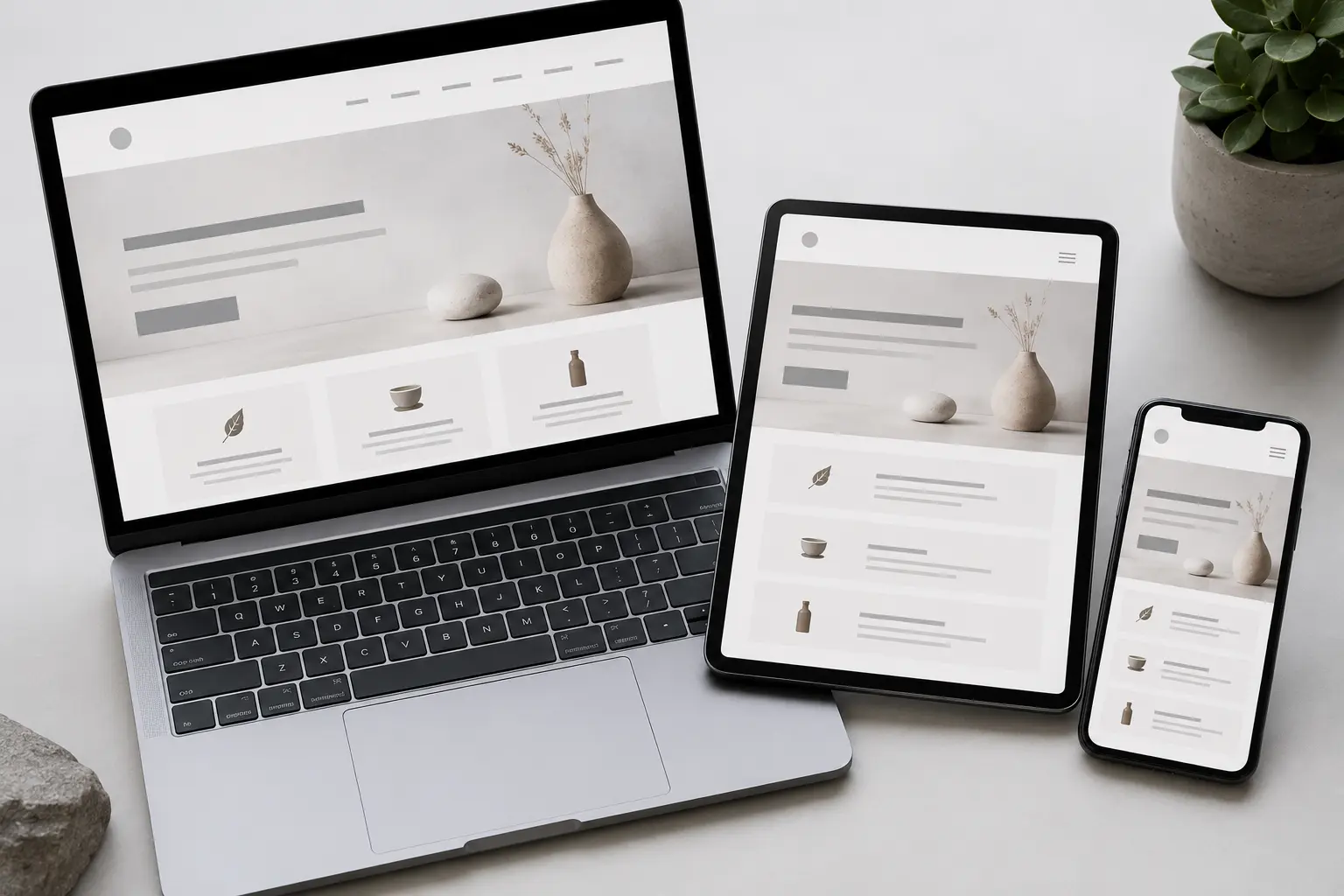
A development team worth hiring should offer more than a templated theme with your logo dropped in. Look for evidence of custom website design work: sites built around your actual content structure, not a generic layout forced to fit. Ask to see how they handle responsive behavior on tablets and older phone browsers, not just the latest iPhone.
CMS-based development matters here too. WordPress is only as useful as the backend setup behind it. If the agency hands you a site where every text change requires a developer, they haven’t done their job. A properly configured WordPress build lets a non-technical staff member update pages, swap images, and publish blog posts without breaking the layout.SilverHost, a web development agency based in Pattambi, Kerala, has been operating since 2007 and lists content management system development as one of its core services alongside web design, e-commerce builds, and hosting. Their client base, according to their site, extends across the UK, Oman, Qatar, UAE, and Saudi Arabia, which suggests experience working with businesses outside their immediate region, a relevant factor if your own audience spans multiple countries.
Checking Portfolio and Real Client Work Before You Sign
Portfolios get dressed up for pitch meetings. Ask instead for two or three live client sites you can visit right now, on your own phone, without a guided tour. Check load speed. Check whether the mobile menu actually works. Check if the contact form sends a real confirmation email.
Client testimonials carry weight only when they mention something specific: a delivery timeline that was met, a redesign that kept an existing brand identity intact, or ongoing support after launch. Vague praise about being “professional” tells you nothing. According to Google’s own guidance on evaluating web content, specificity and firsthand detail are what separate genuine trust signals from filler.
Questions to Ask About Timelines, CMS Training, and Support
A basic business website typically takes three to four weeks to build, depending on scope and how fast you provide content and sign off on drafts. A one-week turnaround almost always means a stock template with your logo swapped in, not real customization. On the other end, if a project drags the past two months with no clear explanation, that’s worth questioning rather than chalking up to patience.
Before signing, find out who handles updates once the site goes live. Some agencies fold maintenance into the original contract; others consider the relationship over at handover, leaving you to search for a new developer the first time something breaks. CMS training is another gap worth checking early. A dashboard walkthrough takes an hour and saves weeks of frustration later, compared to being handed a PDF and left to figure it out alone. None of this shows up in a design mockup, but it matters more once the site is actually running your business.
Why Do Location and Communication Style Matter?
Time zone overlap and communication habits shape a project more than people expect. A Kerala-based agency working with Gulf region or UK clients needs a workflow that doesn’t depend on same-hour replies. Ask how status updates get shared: weekly calls, a shared project board, or just email threads that pile up.
Also worth checking: does the agency write content or only build the shell? Some clients assume copywriting is included and find out mid-project that it isn’t. SilverHost’s own FAQ page notes they work with copywriters who can help content perform in search, which is worth confirming directly if content creation is part of what you need.
Final Thoughts
Choosing a WordPress development company comes down to verifiable proof, not polished pitches. Ask for live examples, confirm who trains your team on the CMS, and get a straight answer on post-launch support before any contract gets signed. What’s the one question you haven’t asked a developer yet that you probably should?
FAQ
Three to four weeks is standard for a straightforward business site, assuming you provide content and approvals on time. Custom features, e-commerce integration, or multiple rounds of revisions can stretch that timeline. If someone quotes you a week for a full custom build, ask exactly what “custom” means in that context.
No, not if the developer sets it up correctly. A well-built WordPress backend lets you edit text, swap photos, and publish blog posts through a simple dashboard. Ask for a short training session before launch so you’re not guessing where things are three months later.
It can work well if communication is clear from the start. Agencies serving international clients across regions like the Gulf or UK are used to remote handoffs, but confirm how updates get shared and what time overlap you’ll realistically have for calls.
Usually yes, if the initial build uses a flexible CMS structure rather than a rigid template. Ask upfront whether the developer designs with future features in mind, even if you’re not launching a store on day one.
A properly built WordPress site should be portable. You own the CMS, the content, and typically the domain and hosting if set up in your name. Ask before the project starts who retains admin access and login credentials once the build is complete.