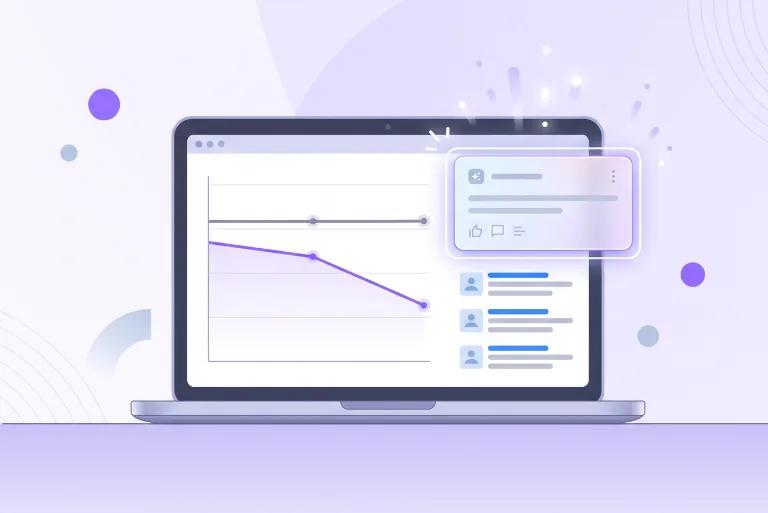
Open Search Console, set the range to the last six months, and put clicks next to impressions. If impressions held steady while clicks slid, Google AI mode and the AI-written answers above the blue links may be part of the story. If both fell, the cause more likely sits on your own site. The two problems need different fixes, and many traffic dips turn out to be a blend. Here is how to tell them apart and what to change in 2027.
What Actually Changed in Search
More searches now end with an AI-written answer instead of a list of links. Google’s AI Overviews and AI mode draw on the same ranking and quality systems as normal results, and they cite web pages as sources.
That detail matters. Good SEO is still the foundation, but the click is less certain, because a searcher with a simple question may get the answer without visiting anyone. In practice, your rankings can look fine while fewer people click. What changed is how much work a page must do to earn a citation and a visit.
How to Tell Whether Google AI Mode Is the Cause
Before blaming Google AI mode, rule out the boring causes. Technical problems drain traffic quietly: slow pages, weak Core Web Vitals, duplicate URLs, broken redirects, missing schema, and mobile issues. Then check for pages competing with each other. When several pages chase the same search term, none of them wins, so each important term should map to one page.
Next, pull clicks and top landing pages from Search Console and GA4, and track a fixed keyword set so any movement has a baseline. If rankings held and clicks fell, AI answers are a fair suspect. If rankings fall, start with the site.
One more check. You should have direct access to your own Search Console and Analytics accounts, because nobody else should hold your data for you.
OpenAI reviews your claim. It may email you with a decision or ask for more details, so watch the inbox you used, including spam. Timing is not fixed, so avoid planning a campaign launch around the approval date.
Write Answers an AI Engine Can Quote
Start with the answer. Put a clear, quotable reply to the customer’s question near the top, then support it. AI engines skip vague marketing claims, so prices, timelines, figures, and named experts do more work than adjectives. A clinic page that says “experienced doctors” gives an engine nothing to cite. One that names the doctor, the treatment, and the typical timeline does. Content planned from real search data and customer conversations beats a generic topic list every time.
Health topics face a higher bar. Google applies stricter standards to health content, so show who wrote the page, who reviewed it, and where the facts came from. A person should fact-check every page before it goes live. Mass-produced AI text adds volume, and not much else. If your site covers medicine or money, write for the reader’s safety first and rankings second.
Make Your Business Easy to Recognize
Entity clarity sounds technical, but the idea is simple. Use the same business name, address, and details on your site, your Google Business Profile, and every directory, then add a schema that ties them together. Reviews, listings, and articles that mention you elsewhere also count, because AI answers lean on reputation beyond one website.
Local searches like “near me” and Maps rankings depend heavily on that profile, and genuine reviews feed it.
A Realistic Plan for 2027
Set expectations before touching anything. Technical fixes can start working within weeks, but most sites see a clear rise in traffic and enquiries, between three and six months. Competitive industries can need nine to twelve. Nobody controls Google’s ranking systems, and Google’s own guidance warns against anyone who promises a number one position, so treat guarantees as a warning sign.
Month one goes to technical fixes and a baseline report. Around month three, less competitive terms may start to move. Growth in organic leads, where it comes, tends to show up closer to month six, and it varies by site and industry. Track AI visibility as its own number, meaning how often you appear in AI Overviews, ChatGPT, and Perplexity for your key questions. Paid ads can bring enquiries, within two to four weeks once tracking is live, so some teams pair their organic work with digital marketing services such as paid ads while it builds.
Final Thoughts
Traffic drops rarely have one cause. Separate the click problem from the ranking problem, fix what sits within your control, and write pages that an AI engine can quote with a straight face. The Silverhost team in Pattambi, Kerala, works through these same checks with clients across Kerala and the Gulf. Which number moved first on your site, impressions or clicks?
FAQ
Maybe, but check first. Open Search Console and see whether your rankings held while clicks fell. If rankings fall too, look at your own site before blaming Google: speed, duplicate URLs, broken redirects. Plenty of dips have boring causes.
Yes. AI Overviews and AI mode run on the same ranking systems as regular results, and they cite web pages. Clear answers, checkable facts, and a solid reputation get cited. So SEO now also decides whether AI mentions you at all.
Technical fixes start working within weeks. Most sites see a clear lift in three to six months, and competitive industries can take nine to twelve. Anyone promising a fixed ranking or date is guessing, and Google’s own guidance says as much.
Put a direct answer near the top, then back it with real numbers, timelines, and named experts. Skip vague claims. Keep your business name and address identical everywhere you appear, and have a person fact-check each page before publishing.